Making and connecting
Even though the wind is still whipping around our ears, the parks’ daffodils and crocuses say we’re heading towards Spring. Spring is about new beginnings and change. Sometimes, change means exploring what creative or social pastime that could bring joy and fulfilment. But trying to find both places that offer things of interest and the courage to go is challenging.
As part of See Me North’s third work package, we have been exploring how people with experience of homelessness access a new hobby, creative or social activity or rekindle a love of a previous pastime. Whether the place hosting is familiar or new, the courage and support required to (re)start an activity needs to be acknowledged and nurtured.
Research tells us that taking part in creative activities is good for us; it improves our mental health, our physical health and the supports bridging and bonding between and within communities. Making is connecting. These are some of the ideas on which See Me North is based.
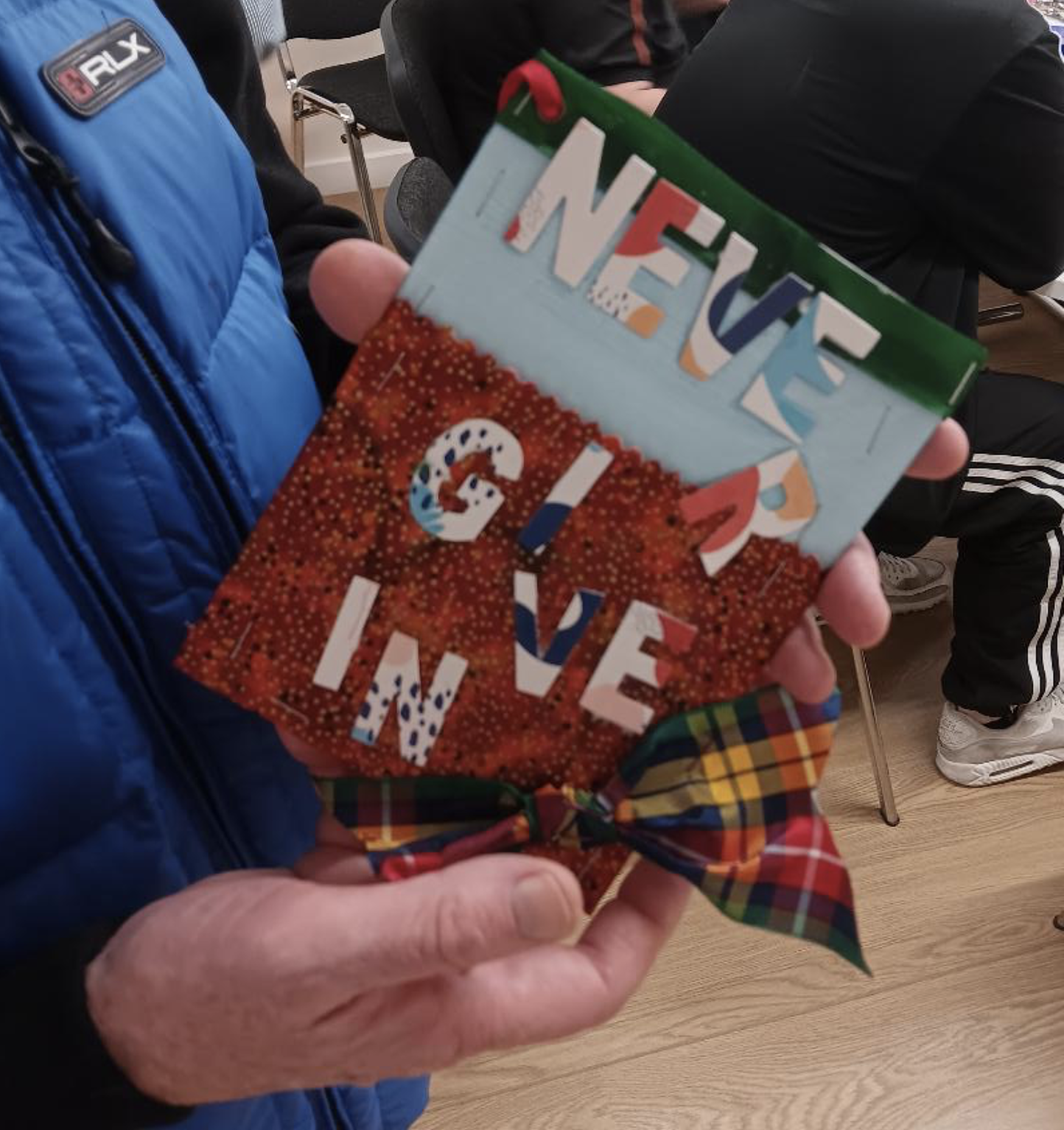
Our research already shows that housing support organisations know the key role creative health plays in building and maintaining the lives of the people they work with. They have workshops where wooden instruments are made and played, host cooking sessions which are more about making connections than the evening’s tea and arrange and cheer on footballers in both kickabouts and tournaments. For performer and poet, Kae Tempest
Connection balances numbness… It offers, whether fleeting, or long-lasting, a closeness to all others. It is jubilant. Ecstatic. Without fear. (Tempest, 2020)
But just as providing support for people in maintaining a home is dynamic and tailored to people’s individual needs, so too is the care in enabling people to go to a new social group. Because, while the dominant messaging is that taking part in something creative is always safe and welcoming, low risk and enjoyable, this might not always be the case.
Arts and Homelessness International acknowledge these issues in their toolkit created for cultural organisations exploring the elements needed to welcome and support PEH in their spaces. Through well-developed partnerships that draw on documented commitments of radical welcomes and ongoing training of cultural space staff, PEH are supported to access spaces that should be open to them, just as they are to other communities.
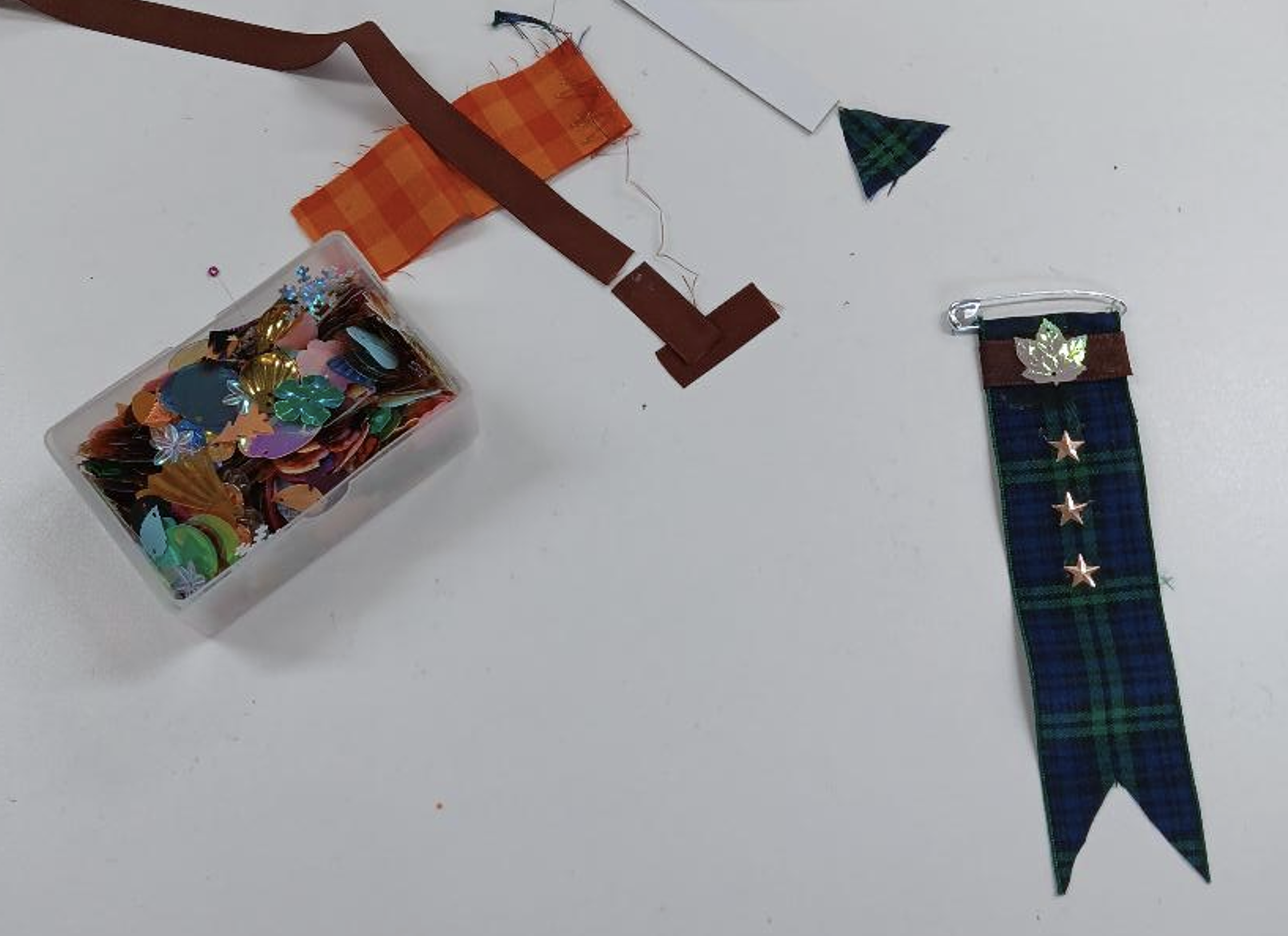
At See Me North, we’re looking at how this is happening, and supporting the ongoing mobilisation of community assets. Through mapping the work of our arts partners in making new relationships with housing support organisations and communities, and supporting the development of new relationships between well-established and -regarded local cultural organisations and our housing partners we’re exploring just what it is that people need to take part in something different or visit a place that they thought wasn’t welcoming of them. Of course, as a project that is based in the principles and action of co-production, our EBE are involved in this; they’re taking part in activities that they have not considered before and we’re helping make those introductions to different spaces and networks.
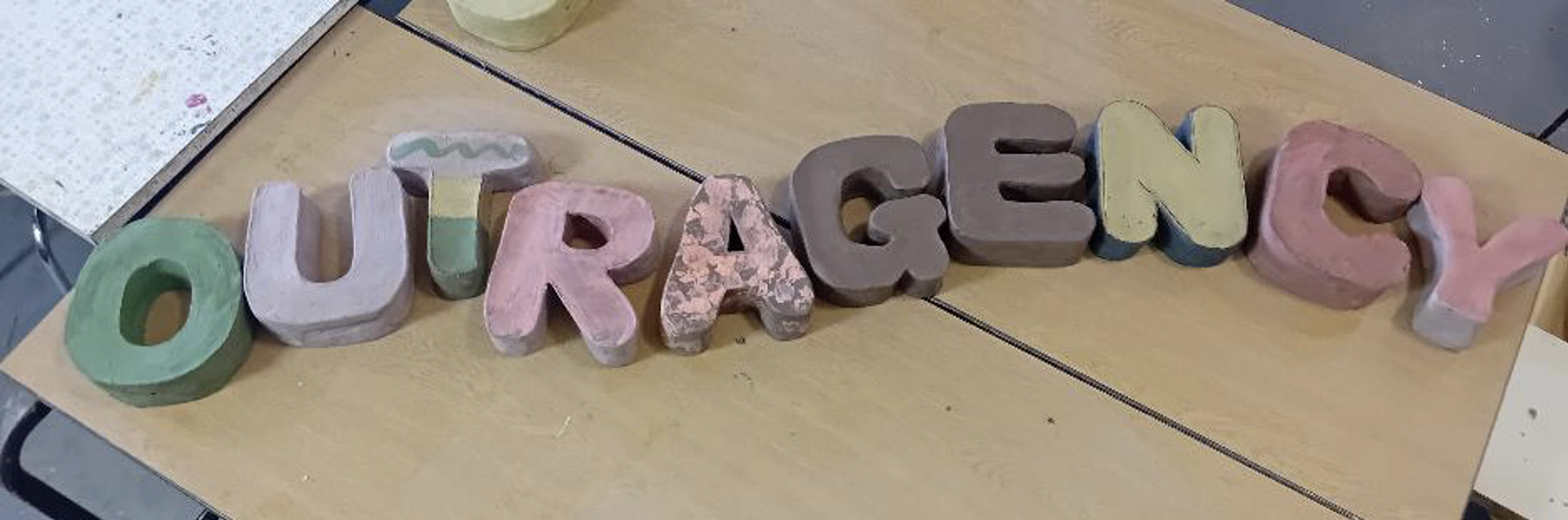
In the coming weeks, as part of a series of Outragency days, the team will be zine making at Baltic. A new activity, a new space, a change to ensure that the messages of connection and need that still demand attention are seen and heard.